
Couples Counselling in Melbourne
Specialist, attachment-informed therapy for couples and individuals navigating the complexities of intimate relationships. In person in Thornbury, and online via secure telehealth across Australia.
Specialist Couples Counselling for Melbourne Relationships
Couples come to counselling at many different points. Some arrive in the midst of a crisis. Others have noticed a quiet distance growing between them, are moving through a significant life transition, or carry the sense that something important has been lost and want to find their way back to it.
Relationship Practice is the Melbourne counselling practice of Stephanie Schiftan, a masters-qualified couples therapist. At the core of her work is a deep interest in relationships: how they shape us, and how they are carried within us in ways that influence our patterns of connection and disconnection, often outside conscious awareness. She is particularly drawn to the impact of family systems, intergenerational experience and broader sociocultural context, and to the roles people come to inhabit in their relationships across a life. Rather than asking who is right or wrong, the work begins with curiosity about what is unfolding between you.
Much couples work in Melbourne is offered by generalist clinics where relationship therapy sits alongside many other services. This is a dedicated couples and relationship practice. Stephanie holds a Master of Counselling (Couples Stream), completed the Specialist Course in Integrative Couples Therapy and her supervised clinical training at Relationships Australia Victoria, and is a member of the Australian Counselling Association. That specialist grounding shapes every session.
How We Can Work Together
Couples & Relationship Counselling
A space for couples to slow down, understand recurring patterns, and work with the emotional processes shaping distance, conflict or disconnection.
Individual Counselling
For individuals seeking to better understand themselves in relationship, including attachment patterns, relational difficulties and intimacy concerns.
Prepare/Enrich
A research-based program for couples preparing for or deepening commitment, helping you understand each other more fully and build strong foundations together.
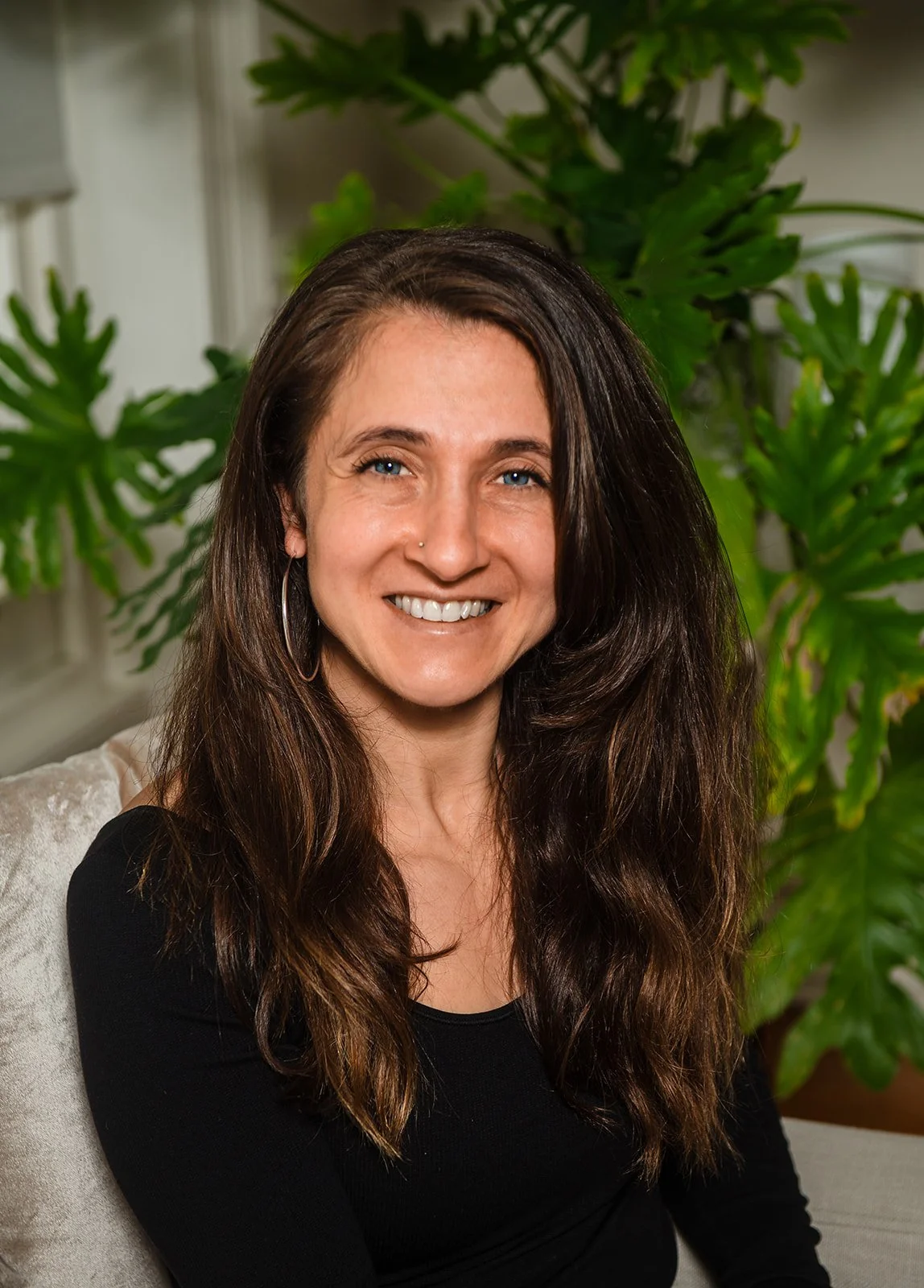
Stephanie Schiftan
Couples & Relationship Therapist
MCouns (Couples) · GradDipEd · BFA (Hons) · Specialist Course in Integrative Couples Therapy (RAV) · ACA Member
My path into counselling was a winding one, through classrooms and creative spaces, and both continue to shape how I work. My background in Fine Arts gave me a close attunement to how meaning is made and expressed. My years in education taught me to attend carefully to how people make sense of themselves and the world. That curiosity and attentiveness is where my practice begins.
I work with couples and individuals across every stage of relationship. I am drawn to the ways people try to stay connected, make sense of difficulty, and move through the tensions that arise in close relationships. LGBTQI+ clients and diverse relationship structures are warmly welcomed.
Learn more about Stephanie's background and therapeutic approach →
Areas I Support Clients With
Couples and individuals come to counselling with a wide range of concerns. Some of the areas I most often work with include:
- Relationship distress, emotional disconnection and recurring conflict
- Communication difficulties
- Intimacy, desire and sexual connection
- Betrayal and infidelity
- Separation and relationship transitions
- Parenting and blended family challenges
- Grief and loss
- The relational impacts of anxiety, depression, trauma, neurodivergence, addiction and significant life transitions
Begin with a conversation
If something in your relationship feels stuck, distant or uncertain, you do not need to have it all worked out before reaching out. A free 15-minute consultation is a low-pressure way to ask questions and see whether this feels like the right fit.
Frequently Asked Questions
Do things have to be at breaking point before we come in?
Not at all. Plenty of couples get in touch while things still feel workable, when there is distance, tension or a quiet sense of drifting rather than open conflict. Working on a relationship earlier, before patterns settle in, is often where counselling does its most useful work.
Can I come on my own, or is this only for couples?
Both are welcome. I see couples working on their relationship together, and I also see individuals who want to make sense of how they relate to others, whether or not they are currently partnered. It is not unusual to start on your own and bring a partner in later, once the time feels right.
My partner is reluctant. Should we still get in touch?
Yes, and this comes up often. One person is usually further along than the other. We can begin with whoever feels ready, and the hesitation itself is worth paying attention to, since it usually says something about what is happening between you.
What is Emotionally Focused Therapy (EFT)?
EFT is an evidence-based couples approach developed by Dr Sue Johnson and grounded in attachment, the science of how we bond and feel safe with the people closest to us. Rather than teaching communication scripts, it works with the emotions and cycles that keep partners stuck, helping you understand the pattern you fall into and build a more secure connection underneath it. It is one of the most extensively researched couples therapies available.
What is the difference between a counsellor and a psychologist?
Psychologists are registered with AHPRA, can assess and diagnose mental health conditions, and may attract a Medicare rebate with a GP referral. Counsellors are registered through professional bodies such as the Australian Counselling Association rather than AHPRA, and the focus is relational and emotional support rather than diagnosis. For couples work specifically, the qualification that matters most is not the title but whether the practitioner has genuine specialist training in working with two people and the relationship between them.
Why does couples work call for specialist training?
Working with a couple is a different skill from working with one person, because the client is really the relationship in the room, and much of the general training in counselling and psychology is built around individual work. Sitting with two people, holding both perspectives at once and working with the cycle between them takes dedicated preparation. My training is couples-specific, including a Master of Counselling in the couples stream and the Specialist Course in Integrative Couples Therapy through Relationships Australia Victoria.
How would you describe the way you work?
My work is grounded in attachment and centres on Emotionally Focused Therapy (EFT), with psychodynamic, PACT-informed and narrative threads running through it. Rather than applying a set method, I follow the emotional patterns sitting underneath what brings you in.
Will you end up taking sides?
No. This work is not about deciding who is at fault. The focus stays on the pattern moving between you, so each person feels understood and you can both find new ways of responding to one another.
What is the Prepare/Enrich program?
Prepare/Enrich is a widely used, evidence-based relationship assessment that maps a couple's strengths and growth areas across communication, expectations, finances and more. You each complete an online questionnaire, and we then work through your results together over a series of structured sessions. It suits couples preparing for a bigger commitment as well as established partners wanting to strengthen their footing, and I offer it as a registered facilitator.
What happens in a first session?
The first session is mostly about getting a shared picture of what has brought you in and what you would each like to be different. There is no pressure to have it all worked out, and part of the session is simply seeing how it feels to work together. If you would like a sense of fit beforehand, a free 15-minute consultation is an easy first step.
How many sessions will we need?
This varies, and it depends on what you are working through and what you are hoping for. Some couples come for a focused piece of work over a handful of sessions, while others stay longer to shift patterns that have been in place for years. EFT tends to unfold over a course of sessions rather than a single visit, and we review how things are going together as we go.
How much do sessions cost?
A 50-minute session is $220 and an 80-minute session is $260. The Prepare/Enrich program is offered as a package. If you are not sure which option fits, a free 15-minute call is an easy way to begin.
Can I claim couples counselling through Medicare or private health?
Relationship and couples counselling is generally not covered by Medicare, since Medicare's mental health rebates apply to individual treatment of a diagnosed condition and counsellors are not Medicare providers. Some private health funds offer a rebate on counselling depending on your fund and level of extras cover, so it is worth checking directly with your insurer. I am an ACA-registered counsellor, which some funds ask about when assessing eligibility.
Will what we discuss stay private?
Yes. What you bring is held in confidence, within the limits set by law and professional ethics, which I go through with you at the start. A private, steady space is part of what makes the work possible.
Do you offer sessions in person and online across Melbourne?
Yes. You can see me in person at my Thornbury practice in Melbourne's inner north, or online by secure telehealth from anywhere in Melbourne, wider Victoria or across Australia. Many clients mix the two depending on the week.